Rock Band Simulator Evgen & Diman Guide
Bass, drums, disasters—and how to still make soundcheck in Ashport.
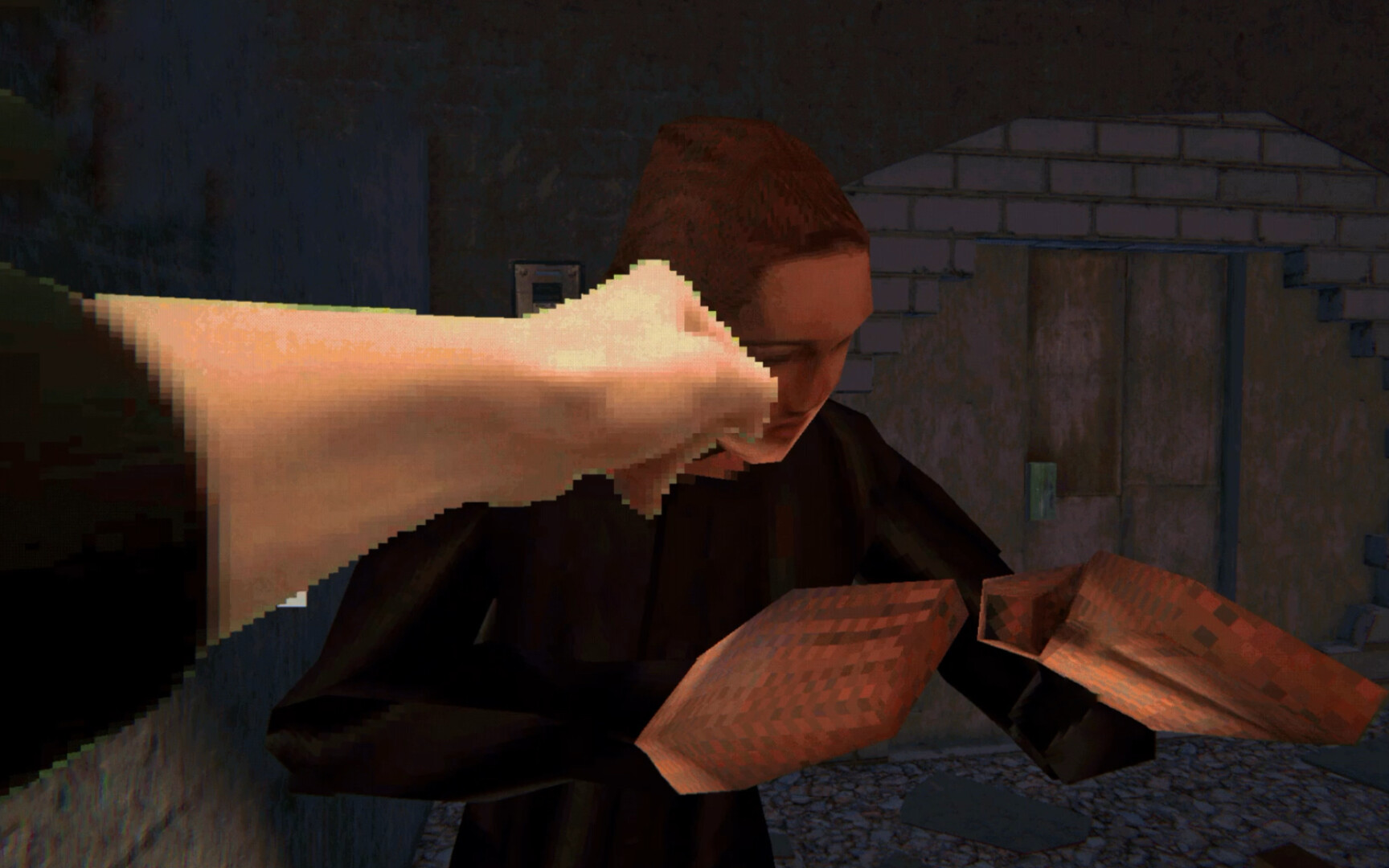
Evgen’s on bass. Diman’s on drums. You will need both of them in the same place, preferably conscious. That line is not trailer fluff—it is the daily win condition sitting beside “have a working amp” and “do not miss 21:00.” This page is a deep dive on Rock Band Simulator’s bandmates: how they play in the fiction, how they break your schedule, and how to keep the three-piece alive across a seven-day Ashport week.
Developer KONTRĀST MEDIA and publisher PlayWay S.A. built a crude, funny, first-person life sim—not a sanitized rhythm toy. Strong language, drinking, fights, and bad ideas are part of the texture. Your job is to surf that chaos without stranding the lineup.
Evgen — bass, ballast, missing person
Evgen reads as the experienced stabilizer: calm relative to Diman, coffee-fueled, still capable of vanishing into someone else’s mess. Official copy frames him as a reason the band continues to exist. In play terms, that means:
- When Evgen is present and functional, rehearsals and gigs feel grounded.
- When Evgen is missing, you spend daylight on search patterns instead of optimal Jobs Tier List routes.
- Relationship choices that disrespect his judgment can snowball into colder nights and worse ending lanes.
Keeping Evgen show-ready
- Track last location after every shared job or bar scene. Ashport is readable once you learn blocks; do not assume he warps home.
- Do not chain C-tier shady work that separates the group when the clock is already angry.
- Fund bass-side readiness once your amp path is stable—see Gear Tier List. Evgen cannot save a set that has no low end and no PA.
- Talk before you punch when a scene is still in dialogue. ADR fights are available; they are not always the Evgen-friendly option.
Evgen will still make imperfect calls. Your edge is refusing to stack his imperfections with your gambling spiral.
Diman — drums, impulse, walking incident report
Diman is impulsive and unpredictable. He is also frequently the spark for the next disaster—and your drummer. Trailers love the gag: the drummer is drunk, the venue opens in two hours, this is Tuesday. Mechanically and narratively:
- A conscious Diman with a usable kit unlocks real concert fantasy.
- An unconscious or missing Diman turns 21:00 into damage control.
- Taking him on “simple” jobs can mutate into multi-stop odysseys. Budget time like the mutation will happen.
Keeping Diman show-ready
- Substance awareness — beer, cigarettes, and other substances change condition. If Diman is already spinning, do not “one more round” him into a knockout you cannot reverse before soundcheck.
- Kit before flex — hunting a second-hand drum kit is early-week pressure for a reason. A present Diman with trash drums still underperforms; fix both.
- Rescue beats pride — if he is in a fight or underground scrap, end it clean using Controls (LMB punch, RMB block, E interact, thrown props when taught) and leave. Hands matter for your set too.
- Afternoon curfew — hard-stop optional Diman side stories when you still need gear buys and Evgen pickup.
Diman is not useless; he is high variance. Treat him like blackjack with limbs.
The daily assembly loop
Successful days rhyme:
Morning. Check garage goals and main quests. Note whether either bandmate is already off-map.
Midday. Earn with S/A routes—cans, clear odd jobs, capped blackjack. If a job description includes both cash and a bandmate lead, take it.
Afternoon. Upgrade S-tier gear if funded. Avoid starting deep crime loops; cameras, gangs, and police eat clocks.
Evening buffer. Stop optimizing money. Navigate to Evgen, then Diman (or reverse based on urgency). Manage your own ADR—sweet-spot fighting if forced, no overcap collapse.
21:00. Rhythm concert: choose what comes next, control set flow, decide when to call it a night. Good gigs build reputation; bad ones feed the argument engine on the way home.
Aftercare. Relationship fallout is content. Ignoring it is how week-long endings sour even if night one looked fine.
ADR, fights, and “preferably conscious”
The Adrenaline system replaces health bars. Hit harder in the sweet spot; push too far and you go down. Bandmate readiness fails the same way your body does: overstimulation, substances, and pride duels. Practical rules:
- Never enter a three-fight chain at 20:15.
- If a job offers underground fighting as entertainment, classify it against the Jobs Tier List—usually C when the show is close.
- After any knockout (yours or Diman’s), reassess whether the gig is still realistic; sometimes the correct “play” is damage mitigation and a shorter set plan, not denial.
Relationships, reputation, and endings
Rock Band Simulator sells multiple endings and choices that matter. Evgen and Diman are the primary relationship surface. Helping them out of trouble, dragging them into worse trouble, funding the garage as a shared home, or treating them like disposable combat pets all leave marks. Days 4–7 (full game beyond the October 19 demo’s first three days) raise the stakes with more quests, events, and mini-bosses—see Launch Notes.
You do not need a spoiler spreadsheet to play well. You need a habit: check on the band before you check on the leaderboard fantasy in your head.
Garage nights and social clutter
Between crises, customise the garage and stack posters, photos, vinyl, and social following. Shared space reinforces that Evgen and Diman are coworkers you live beside, not quest markers. Functional upgrades that shorten travel help you reach them faster next time—A-tier spends on the gear list. Cosmetics are B-tier comfort after shows are stable.
Common failure modes (and fixes)
| Failure | Fix |
|---|---|
| Chased blackjack, forgot Diman | Cap gambling; set a phone-alarm-style personal curfew in real life if needed |
| Won a street fight, lost the gig | Disengage earlier; ADR sweet spot then leave |
| Bought a fancy guitar, no drums | Follow S-tier gear order; kit the band, then flex |
| Evgen missing after a shady job | Avoid separating jobs near 21:00; pick routes that reunite |
| Everyone drunk, nobody drumming | Substances are tools, not a personality; stop earlier |
Cross-links for a full prep stack
- Players Hub — roster overview
- Tier List Hub — gear and jobs priorities
- Getting Started — first-hours framing
- Controls — KB/M and controller basics
- System Requirements — PC specs
- Links — Steam, Discord, Instagram, demo
Mindset
This is not a story about becoming a superstar. It is a story about regular people in irregular circumstances—Ashport, roughly mid-1990s energy, seven days, nightly proof that you still showed up. Evgen and Diman will test that proof. Bring them anyway.
Find the guys. Get the gear. Play the show. Have the breakdown after.
Frequently Asked Questions
Quick answers about surviving Ashport and making the 21:00 show.
What does “preferably conscious” mean in practice?
Both bandmates should be present and able to perform. If Diman is blackout or Evgen is missing, spend the evening on recovery and reunion before optional cash grabs.
Should I bring Diman on every side job?
Only when the clock allows variance. Diman turns simple errands into stories. Solo clear odd jobs when you need predictable time-to-gig.
How do substances interact with bandmate readiness?
Beer, cigarettes, and other substances alter condition and ADR behavior. They can help a fight and ruin a drummer. Stop early enough that 21:00 is still possible.
Does finding bandmates matter more than upgrades?
When a show is imminent, yes. A perfect amp with no bass or drums still fails the fantasy—and often the night. Sequence whichever crisis deletes the set first.
Will demo habits work in the full seven-day game?
Assembly discipline still wins. Days 4–7 add more quests and ending pressure, so relationship maintenance matters even more after the demo’s Wednesday cutoff.